Trading Strategies and Risk Management Explained for 2026
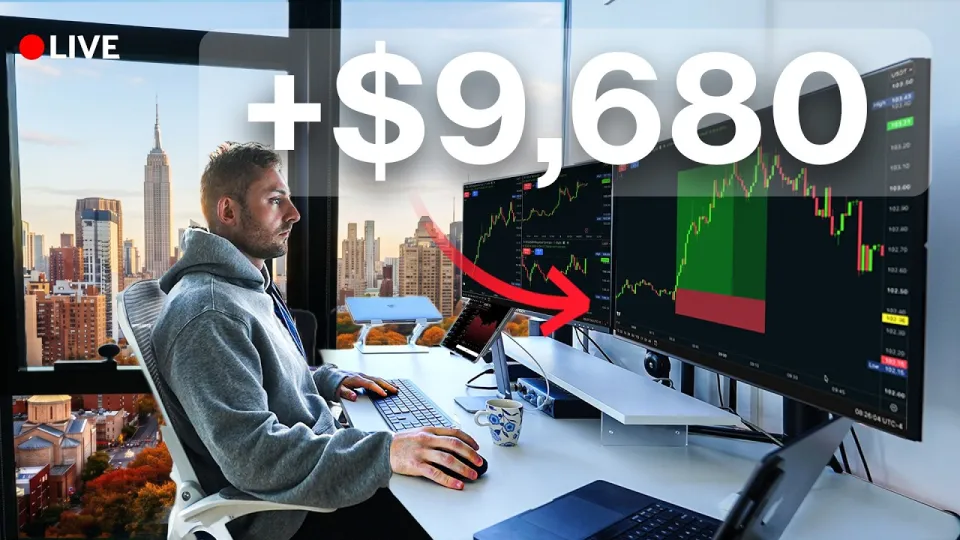
Video: LIVE DAY TRADING - How I Make $9,680 Risking $2k (My 10x Strategy)
Need articles like this for your video? They help promote it on YouTube and Google — order them in the Telegram bot @sat_sit_bot. It writes articles around your video, embeds the video and publishes them on popular niche websites (no ads). Free trial — 50 articles.
Trading is the process of buying and selling financial instruments like stocks, futures, forex, or cryptocurrencies aiming to profit from short-term price movements. In 2026, successful trading hinges on disciplined strategies, risk management, and understanding market dynamics. One notable example is a day trader who made $9,680 in profit risking just $2,000 by applying a 10x leverage strategy, demonstrating the potential rewards and risks of active trading. For those wanting to improve, access to proven indicators and trade tools can be found at Craig Percoco's indicators and trade tools.
What Is Day Trading and How Does It Work
Day trading refers to the practice of entering and exiting trades within the same trading day, avoiding overnight exposure. Traders capitalize on intraday price volatility by making multiple trades on assets such as cryptocurrencies, gold, forex, or futures. The goal is to extract profits from small price movements by using technical analysis, chart patterns, and market indicators. Day traders often use leverage to amplify gains, but this also increases risk.
The 10x Strategy: Balancing Risk and Reward
The 10x strategy involves using leverage or position sizing to multiply potential returns by ten times the initial risk capital. For example, risking $2,000 to control a $20,000 position. This strategy requires strict risk management to avoid significant losses since leverage magnifies both profits and losses. Trailing stop losses and profit targets are essential tools to lock in gains and limit downside.
Key components include:
- Defining a maximum risk per trade, such as a fixed dollar amount or percentage of capital.
- Identifying high-probability setups using technical indicators.
- Executing trades with precise entry and exit points.
- Adjusting stops dynamically as the trade moves in favor.
This approach demands discipline and continuous monitoring to manage volatility and slippage effectively.
Essential Risk Management Techniques for Trading
Effective risk management protects your capital and ensures longevity in trading. Important practices include:
- Position sizing: Allocate a small percentage of total capital per trade (typically 1-3%).
- Stop-loss orders: Predetermine exit points to limit losses.
- Diversification: Avoid concentrating all funds in one asset or trade.
- Avoid overtrading: Stick to the planned number of trades to reduce emotional decisions.
- Use of alerts and automation: Employ technology to execute stops and take profits efficiently.
Adhering to these principles reduces the chance of catastrophic losses and helps maintain consistent profitability.
Common Challenges and How to Overcome Them
Many traders struggle with emotional control, impatience, and inconsistent strategies. Key solutions include:
- Developing a trading plan and following it rigorously.
- Avoiding reliance on random predictions or hype.
- Focusing on education and mastering one reliable strategy.
- Accepting losses as part of the process and learning from mistakes.
- Joining mentorship programs or communities for support and accountability.
Consistency and trust in the process, rather than quick wins, are fundamental to sustainable success.
Insights from the Trading Community
Real traders emphasize that long-term success comes from continuous learning and risk management rather than chasing quick profits. Many highlight the importance of financial education, staying humble, and adapting strategies to market conditions. The stories of traders who transformed their financial situation by focusing on one solid edge and disciplined execution inspire newcomers to persist and grow.
Useful Links
- Get indicators and trade tools: https://bit.ly/4yP0yNC
- Mentorship and private team access: https://bit.ly/4zwUObb
- Join the Discord community: https://bit.ly/478jACl
- Trade on Blofin: https://bit.ly/3Ctjw3M
- Trade on Bybit: https://partner.bybit.com/b/fortraders
Conclusion
Trading in 2026 requires a blend of strategic planning, disciplined risk management, and continuous learning. The example of making nearly $10,000 profit while risking $2,000 illustrates the power of leveraging a consistent strategy like the 10x approach. For traders seeking to improve, utilizing quality indicators, joining mentorships, and engaging with trading communities can accelerate growth. Credit for the strategy and insights goes to Craig Percoco’s detailed day trading approach and educational resources. To start enhancing your trading skills, explore the indicators and tools at Craig Percoco's site.
Key takeaways
- Trader made $9,680 risking $2,000 using a 10x strategy
- Day trading involves quick trades within a single day to capture profit
- Risk management is crucial to protect capital and maximize gains
- Consistency and discipline are key to long-term trading success
- Educational tools and mentorship improve trading skills and results
Questions & answers
What is the 10x strategy in trading?
The 10x strategy involves using leverage or position sizing to multiply the potential return by ten times the risk capital. It requires precise risk management to avoid large losses since leverage amplifies both gains and losses.
How important is risk management in day trading?
Risk management is crucial in day trading as it protects your capital from large losses, ensures longevity in the markets, and helps maintain consistent profitability by controlling position sizes and using stop-loss orders.
Can beginners succeed with day trading?
Beginners can succeed by focusing on education, mastering one solid strategy, managing risks carefully, staying disciplined, and avoiding chasing quick profits or random predictions. Mentorship and community support also improve chances of success.
What common mistakes do traders make and how to avoid them?
Common mistakes include emotional trading, overtrading, ignoring risk management, and abandoning strategies too soon. Avoid these by developing and following a trading plan, setting stop-losses, limiting trades, and staying patient and consistent.
Source: LIVE DAY TRADING - How I Make $9,680 Risking $2k (My 10x Strategy) · Markdown version